 Scientell

There’s a particular kind of career progression that only makes sense in hindsight. The kind where you look back and realise the thread was always there, but you just couldn’t see it while you were living it. For Sonia Bluhm, even across roles in government and CSIRO, that thread has always been science communication.

The scariest part of The Last of Us was never the zombie fungus… it was the real-life question underneath it. What happens when the natural world changes faster than we can adapt?

Scientell was named during a children’s bedtime routine, and it is exactly the kind of origin story you would expect from a company built on curiosity and collaboration. The co-founder Simon Torok has spent 30 years in science communication building Scientell through decades of friendship, shared values and a career that reflects his genuine love of making science matter to people.

We’ve been told that science is the gold standard of objectivity: neutral and unbiased. But what if that’s not entirely true? It’s a question that is already being asked in the field neighbouring science communication: journalism. The arguments on both sides have a lot to teach science communicators.
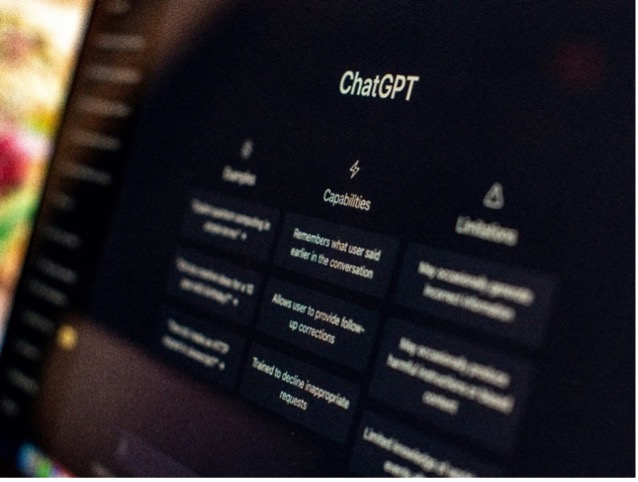
The rise of AI has transformed the working world. While engaging with emerging tools and technologies is important, AI carries other implications – particularly for science communication. Join us as we unpack the role AI plays in this evolving field.
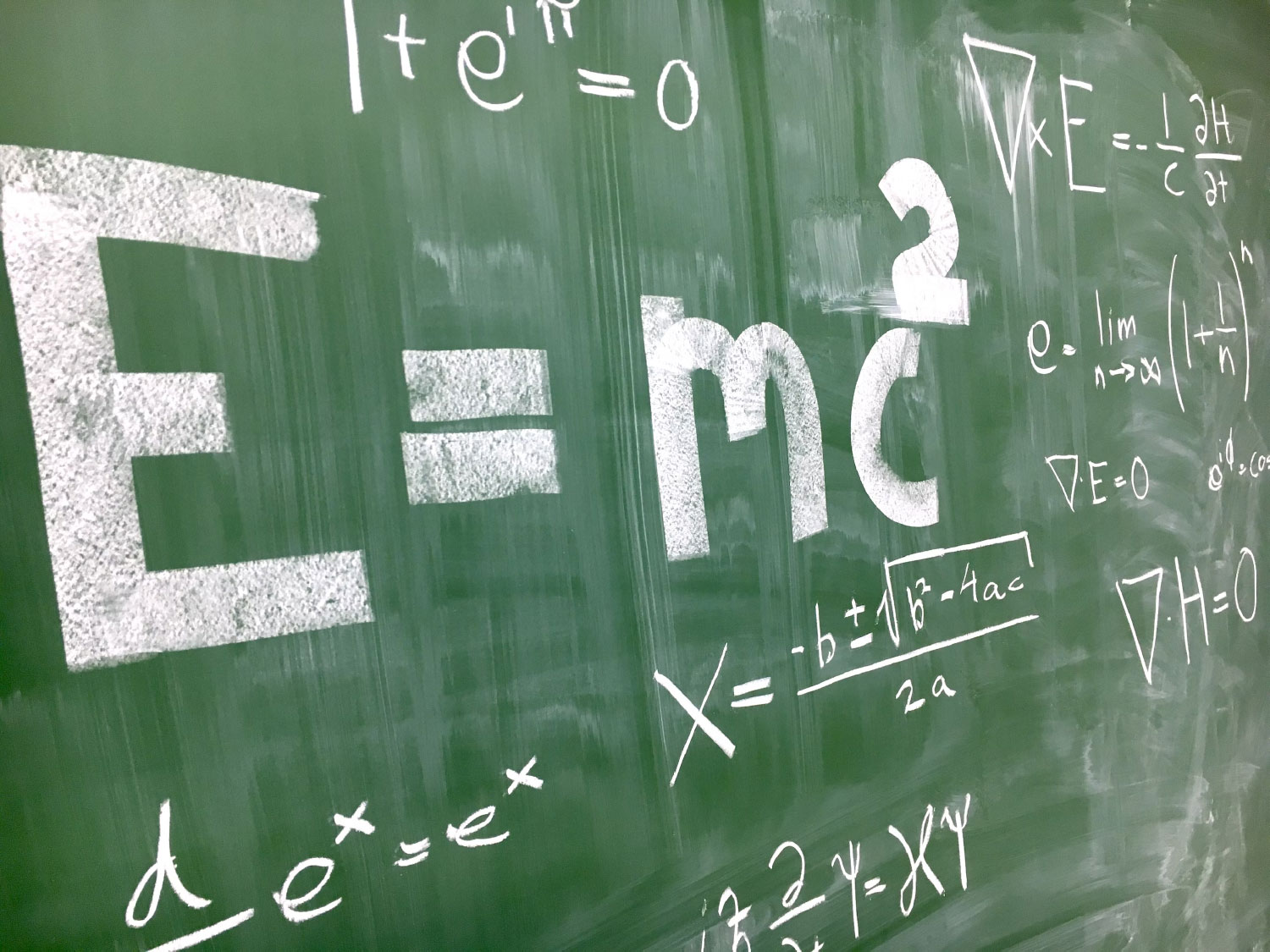
Maths. This single word can conjure up dread and intimidation in a lot of people – but it doesn’t have to. Discover how effective science communication can bridge the gap between complexity and accessibility, empowering inclusivity and understanding of mathematics.
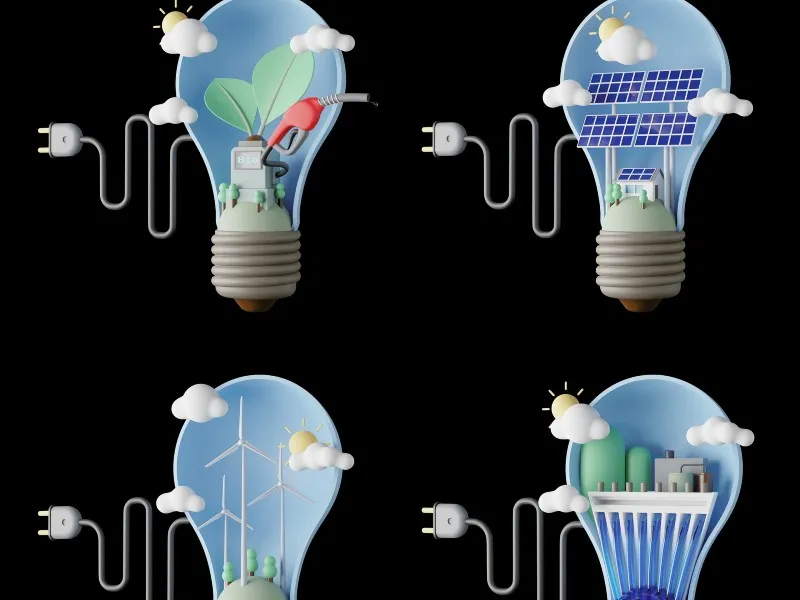
There is a growing number of companies announcing net zero targets. But these targets come with an array of technical and often confusing data and information. Specialised science communicators can help companies understand their emissions and ensure targets are robust and accurately reported.
Is your presentation so text heavy it’s like a brick? Infographics are visual representations of information or data that can help you present complex information in a quick, clear, concise and compelling manner. Here are our top infographic tips.

Every day people use measurements. But measurement is a fairly abstract concept. So how can we make it more relatable?

Many of us stifle a groan when we see a mass of slides at a talk, conference or workshop. But if you do it right, a well-crafted PowerPoint can be an effective tool. Here are our top tips.
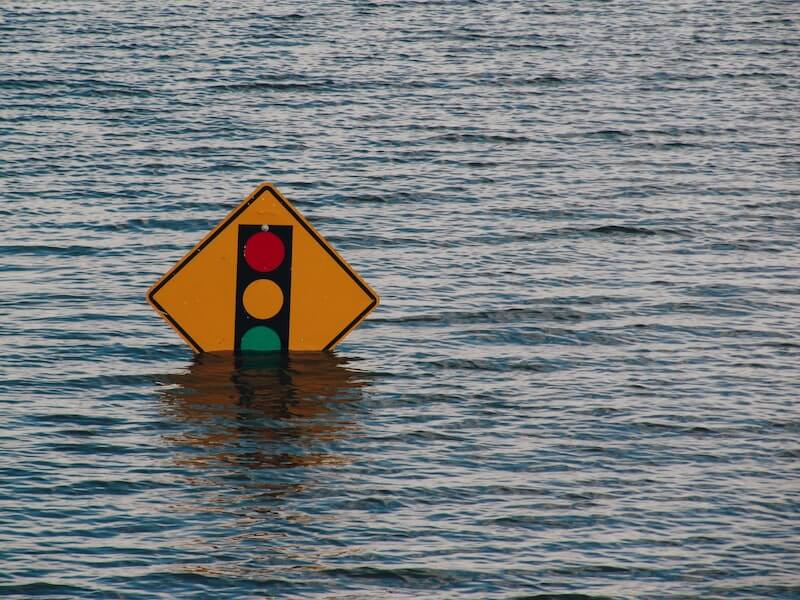
How can we bust the myths and misinformation and deliver the facts about climate science? Use the 5 pillars of science behind human-caused climate change, refute misleading information clearly and repeatedly, and communicating in a factual, succinct and calm way.